More than cartilage wearing thin
Joint stiffness that’s worst in the morning or after sitting, visible swelling, an audible grind on stairs, and pain that increasingly limits kneeling, walking, or standing for any length of time.
Osteoarthritis
The stiffness that makes the first ten minutes of every morning a negotiation. The grinding you can feel, sometimes hear, in a joint that used to be quiet. The stairs you now take one at a time, holding the rail. You’ve been told to wait until it’s “bad enough” for a replacement. There is a different way to approach osteoarthritis: treat the active inflammation in the years before that decision.
Joint stiffness that’s worst in the morning or after sitting, visible swelling, an audible grind on stairs, and pain that increasingly limits kneeling, walking, or standing for any length of time.
Giving up golf, gardening, the daily walk with the dog. The quiet math of “is this worth the pain tomorrow.” Feeling older than you are, while everyone tells you to just wait for a joint replacement.
Many patients are told to manage with ibuprofen until the joint is “bad enough” for surgery, sometimes years away. The inflammation and poor circulation driving your daily pain in the meantime often go untreated entirely.
The standard playbook is NSAIDs, an occasional cortisone injection, and “let’s revisit this when it’s worse.” What’s missing is direct, non-surgical treatment of the active joint inflammation and circulation for however many years that in-between period lasts.
Half the osteoarthritis patients in this clinic have imaging that shows significant wear and a doctor who told them surgery is the only real answer eventually. Your protocol treats what’s treatable now, the active inflammation and circulation problems driving daily pain, whether or not surgery is in your future.
The clinical logic: The acupuncture addresses the pain signaling that intensifies with chronic joint irritation. ATP Resonance BioTherapy® supports repair in strained joint structures and the surrounding muscle that stabilizes them. O3 ReBoot Therapy® reduces inflammation in and around the joint and improves circulation to cartilage-adjacent tissue.
Nothing changes with your medications except through your prescriber. Physicians across Broward County send us the joint cases that outlasted the standard playbook, and many patients simply send themselves.
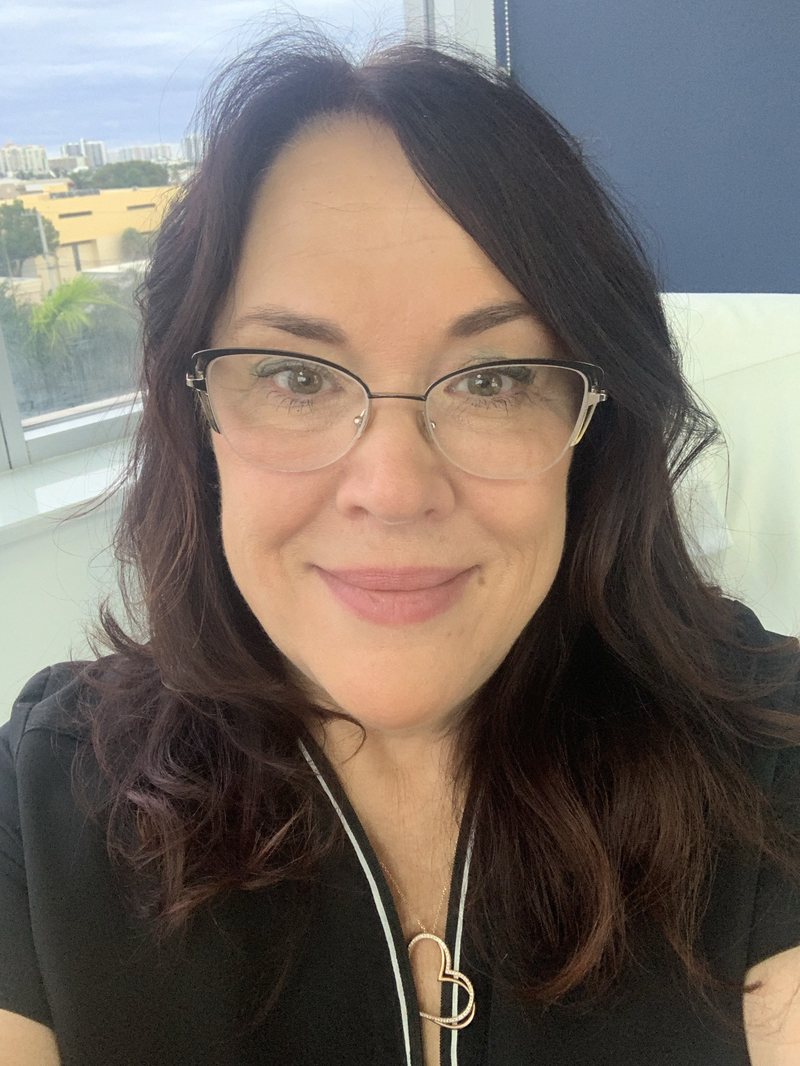
Susan Mitchell, AP
Clinical Director · 30+ years
There’s no fixed number of visits and no generic timeline. Your treatment frequency, therapy mix, and program length are set at your evaluation and adjusted at every visit based on how you’re actually responding.
How long you’ve had it and how far it’s progressed sets your starting intensity.
Visit frequency steps up or down based on your measured progress at each visit, not a preset week count.
Symptom relief, or a return to the things you miss: we define the finish line with you, not for you.
Candidacy comes first: the evaluation determines whether the program fits your case; cost is discussed in person after that.
Bring your imaging if you have it. We evaluate your case, including whether you’re not a candidate.
A staged plan built around which joints are affected, how active the inflammation is, and your surgical timeline, if any. Progress is measured against your day-one baseline, not guessed, and the plan adjusts as you respond.
Stairs without the wince. A round of golf. The walk with the dog you gave up years ago.

Kneeling in the garden, and getting back up.
A walk you don’t shorten in your head first.
Stairs that are just stairs.
An altered gait from favoring a painful joint puts new stress on the hips, knees, and back that weren’t built to compensate. Reduced activity from avoiding pain weakens the muscles that support the joint, often accelerating the very progression you’re trying to avoid.
Your initial consultation is $45. Tell us your story, and we’ll evaluate your case.
Visit us
3471 North Federal Highway, Suite 500
Fort Lauderdale, FL 33306
Physicians
Physicians across Broward County refer patients here; a phone call is all it takes.
Book your first visit
We’ll confirm by call or text, usually the same day.
No referral required · We coordinate with your physician.