Two names, one stalled tendon
Pain on the outside of the elbow (lateral epicondylitis) or the inside (medial epicondylitis), grip weakness that shows up shaking hands or lifting a coffee cup, and an ache that can radiate into the forearm.
Chronic Elbow Pain
The ache on the outside, or inside, of your elbow that flares every time you grip something. The brace you wear that helps a little, never enough. The frustration of a “minor” injury that’s dragged on for months. You’ve rested it, iced it, maybe had a cortisone shot. There is a different way to treat chronic elbow pain: help the tendon actually repair.
Pain on the outside of the elbow (lateral epicondylitis) or the inside (medial epicondylitis), grip weakness that shows up shaking hands or lifting a coffee cup, and an ache that can radiate into the forearm.
Opening a jar. Shaking a hand firmly. Lifting a pan off the stove. The particular frustration of an injury that sounds minor but touches nearly everything you do with your hands.
Chronic tendon pain often reflects degenerated, poorly-healed tissue, not ongoing inflammation alone. That’s why rest and anti-inflammatories plateau: they don’t stimulate the repair the tendon actually needs.
The standard playbook is a brace, rest, NSAIDs, a cortisone shot (which can weaken the tendon further with repeated use), and maybe physical therapy. What’s missing is direct stimulation of tendon repair and circulation to a notoriously poorly-supplied area.
Most of the elbow cases that arrive here have already done the rest, the brace, and the ice. That history is useful: it tells us the tendon has stalled, and a stalled tendon is a different clinical problem than a freshly inflamed one.
The clinical logic: The acupuncture addresses the persistent local nerve sensitization that keeps grip movements painful. ATP Resonance BioTherapy® stimulates the cellular energy needed for tendon repair. O3 ReBoot Therapy® improves circulation to poorly-vascularized tendon tissue.
Nothing changes with your medications except through your prescriber. Physical therapists and physicians across Broward County send us the tendon cases that never quite healed, and many patients simply send themselves.
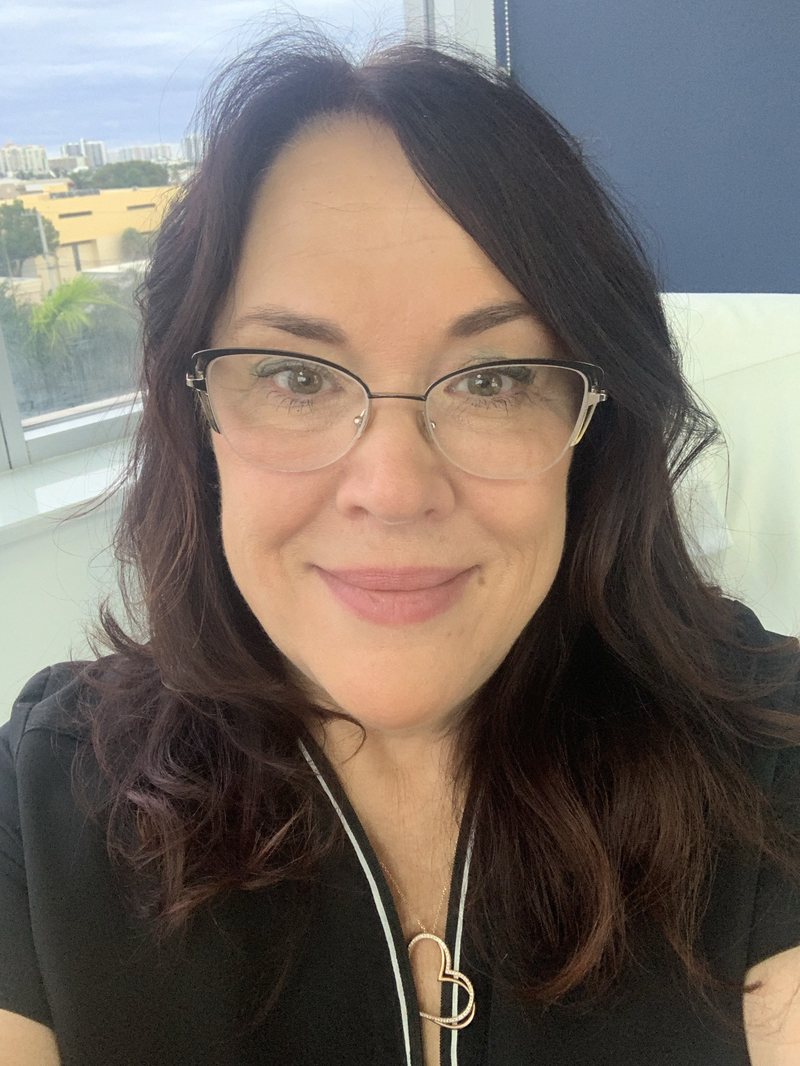
Susan Mitchell, AP
Clinical Director · 30+ years
There’s no fixed number of visits and no generic timeline. Your treatment frequency, therapy mix, and program length are set at your evaluation and adjusted at every visit based on how you’re actually responding.
How long you’ve had it and how far it’s progressed sets your starting intensity.
Visit frequency steps up or down based on your measured progress at each visit, not a preset week count.
Symptom relief, or a return to the things you miss: we define the finish line with you, not for you.
Candidacy comes first: the evaluation determines whether the program fits your case; cost is discussed in person after that.
Tell us what aggravates it, typing, tools, a racquet, a golf club. We evaluate your case, including whether you’re not a candidate.
A staged plan built around which side of the elbow is involved and how you use your hands day to day. Progress is measured against your day-one baseline, not guessed, and the plan adjusts as you respond.
The suitcase lifted into the overhead bin. The key turned without planning it first.
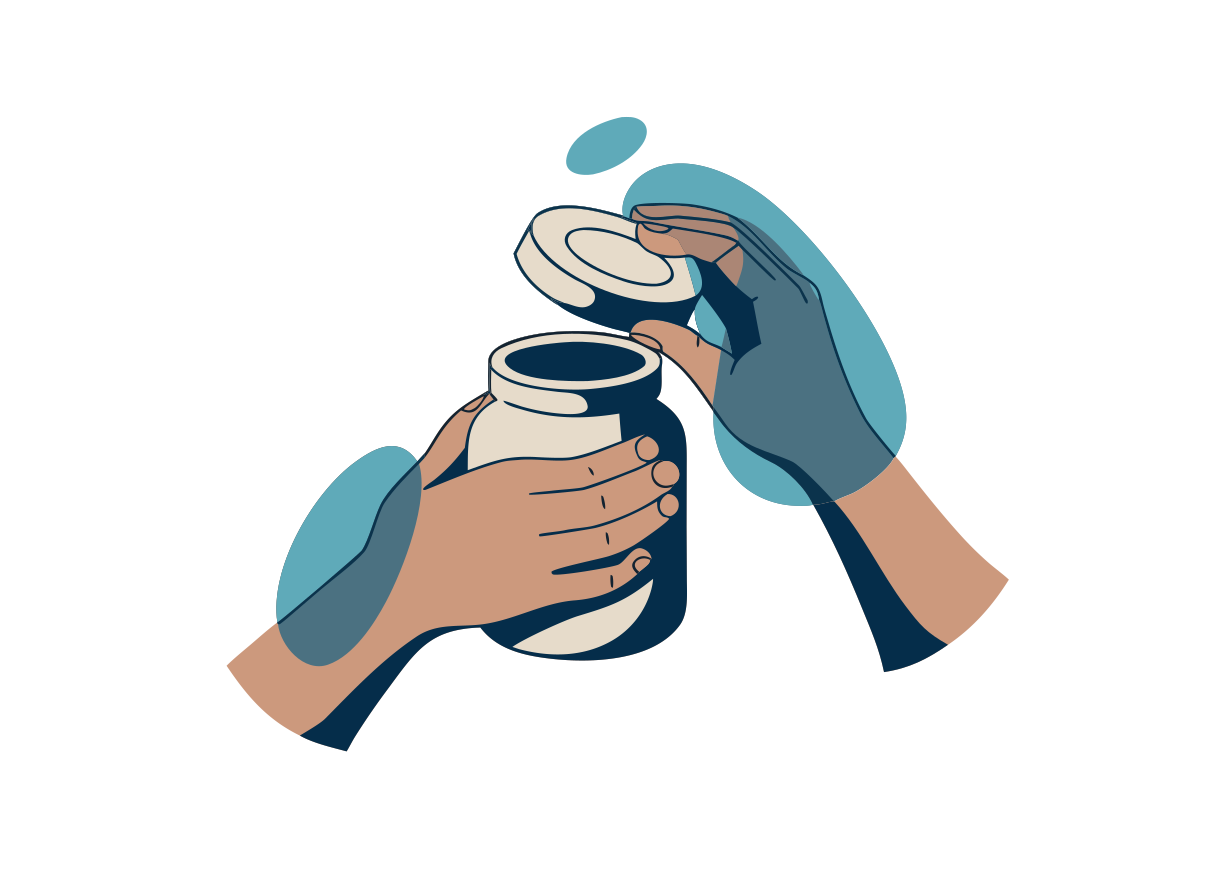
A jar lid that turns on the first try.
A handshake you don’t have to time.
The backswing you quietly stopped taking.
Degenerative tendinosis is harder to reverse the longer it goes untreated, and compensating with your wrist or shoulder to avoid elbow strain often creates a second problem. Early, direct treatment of the tendon changes that trajectory.
Your initial consultation is $45. Tell us your story, and we’ll evaluate your case.
Visit us
3471 North Federal Highway, Suite 500
Fort Lauderdale, FL 33306
Physicians
Physicians across Broward County refer patients here; a phone call is all it takes.
Book your first visit
We’ll confirm by call or text, usually the same day.
No referral required · We coordinate with your physician.