Neurological Recovery · Fort Lauderdale

The nervous system is more resilient than you’ve been told. It just needs the right kind of help.

A stroke you’re still recovering from. A face that won’t fully cooperate. A nerve that fires without warning. Vision that’s quietly fading at the center. Standard care often means monitoring these conditions rather than actively treating the nerve and circulatory health behind them. There is a different way: treat the nervous system directly, for as long as it keeps responding.

Abstract teal wellness illustration of a person with a flowing pathway of light tracing through the body
45% of stroke survivors 65+ face moderate to severe disability (CDC)
Since 1994 practicing in Fort Lauderdale
100+ patient reviews on Google →
Physician referrals welcomed Coordinated care alongside your medical team
The Real Problem

Neurological conditions steal more than function

Three layers of the same problem, what the body and nervous system are doing, what it does to you, and why it’s wrong to leave it there.

What’s Happening

No two recoveries look the same

A hand that won’t fully close. A face that doesn’t move the way it used to. Pain that fires without warning. Vision that’s quietly narrowing at the center. Neurological conditions rarely look the same from one patient to the next.
How It Feels

Grieving yourself mid-recovery

Grieving a version of yourself, mid-recovery. The self-consciousness of a face or a gait that doesn’t match how you feel inside. The quiet fear of a “plateau” or a slow decline being the final word.

Why It Matters

A plateau is not a ceiling.

A plateau is not a ceiling, and monitoring is not the same as treating. You deserve more than reassurance that “most cases resolve” or a schedule of visits to watch something progress.

The villain isn’t your doctor. It’s the playbook.

Nobody upstream is paid to ask whether the underlying nerve and circulatory health can be actively treated for longer than the standard window allows. That’s the gap this clinic exists to close.

The standard system’s move for many neurological conditions is watch and wait: a defined rehab window, a course of steroids, a recheck visit.

How It Works

Every therapy aimed at one target: the nervous system itself.

Acupuncture

Targets the nervous system’s signaling and capacity to rebuild directly, the reason recovery can continue long after a “plateau” is declared.

ATP Resonance BioTherapy®

Microcurrent at millionths of an ampere, FDA-cleared for the symptomatic relief of pain. We use it to support the cellular ATP production nerve tissue needs to repair, while calming inflammation around affected nerves and muscles. Most patients feel nothing during the session itself; any changes tend to build gradually, over weeks.

O3 ReBoot Therapy®

Ozone-based regenerative therapy that boosts oxygen delivery and microcirculation to neural tissue starved by inflammation, injury, or reduced blood flow. Nerve recovery is, in large part, a supply and repair problem; O3 ReBoot works on both.

Your Guide

We’ve heard this story. Thousands of times.

Patients arrive here carrying the same two things: a bag of medications and the sentence “you’ll just have to manage it.” Susan Mitchell has spent more than three decades proving that sentence wrong, not with promises, but with a protocol.

Susan Mitchell, AP is a Florida-licensed Acupuncture Physician and clinical director of South Florida Acupuncture in Fort Lauderdale. She combines acupuncture and ATP Resonance BioTherapy®, with O3 ReBoot Therapy® added, into a single coordinated protocol, tailored to each patient’s case.

When the standard window closes too soon

The stalled recoveries and “you’ve plateaued” cases are most of what walks through this door. Years of them have taught her the nervous system often keeps responding well after the rehab clock runs out.

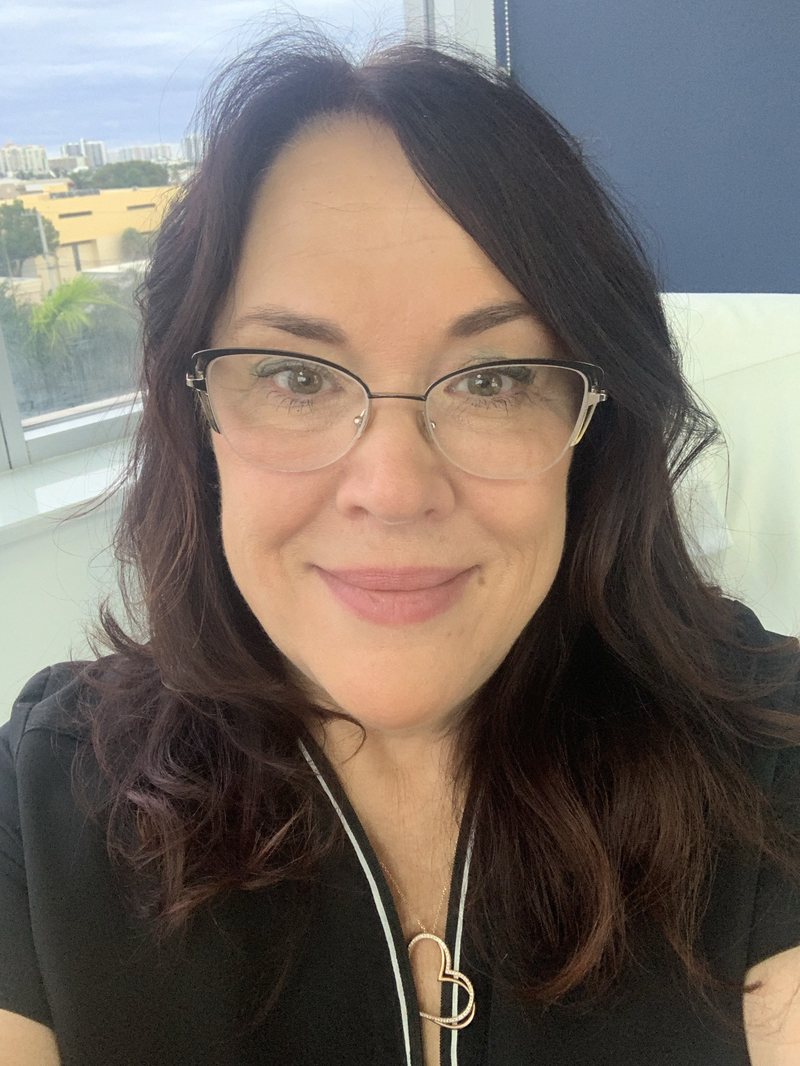
Susan Mitchell, AP, Acupuncture Physician

Susan Mitchell, AP

Clinical Director · 30+ years

You’re Not a Case Number

Your protocol, personalized

Your treatment frequency, therapy mix, and program length are set as a plan at your evaluation, built around your case. We hold to that plan for the most part, and adjust it as needed when your response calls for it.

Severity & duration

How long you’ve had it and how far it’s progressed sets your starting intensity.

Your response

Your baseline is measured at the evaluation, and the plan follows what recovery actually does from there.

Your goal

For some cases the finish line is regained function; for others, holding steady. We define it with you, not for you.

A timeline of a plan's visit cadence. Each mark is a visit. The marks are close together and heaviest through an intensive phase, space out and lighten through a consolidation phase, and are furthest apart and lightest through a reinforcement phase: care tapers as the plan progresses. Your plan is set at your evaluation. Frequency steps down as your measured progress allows, and it can step back up again if needed. This describes how a plan is shaped over time, not a promise about results.

Candidacy comes first: the evaluation determines whether the program fits your condition, then we discuss the investment in person.

What’s at Stake

Untreated neurological conditions do not stand still

Nerve pathways and muscle function that go unused for extended periods become harder to recover. A facial nerve given only “time” can settle into a pattern that’s harder to reverse later.

What Success Looks Like

Imagine what so many of our patients describe…

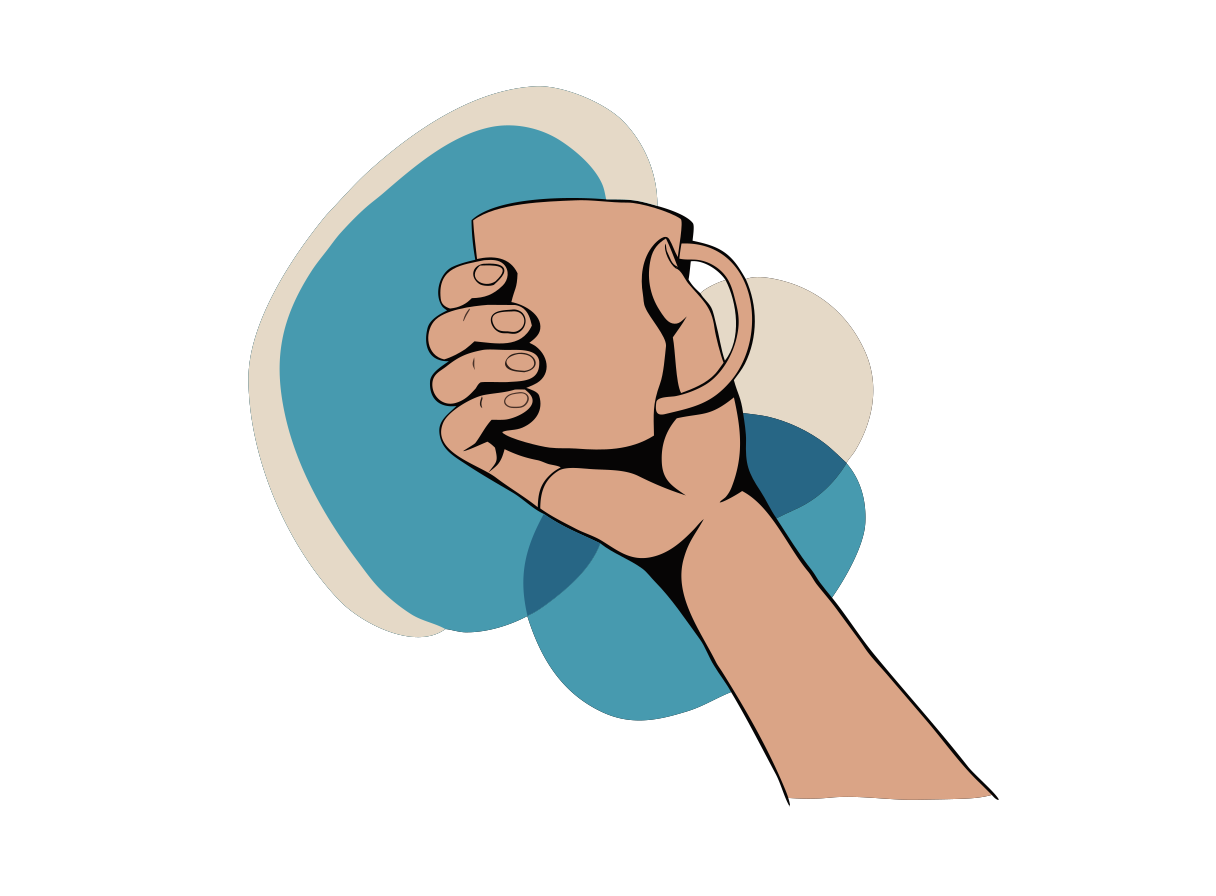
Illustration of a hand comfortably closing around a mug

A hand that closes again

Buttoning a shirt, holding a coffee cup, gripping a hand, without having to think about it first.

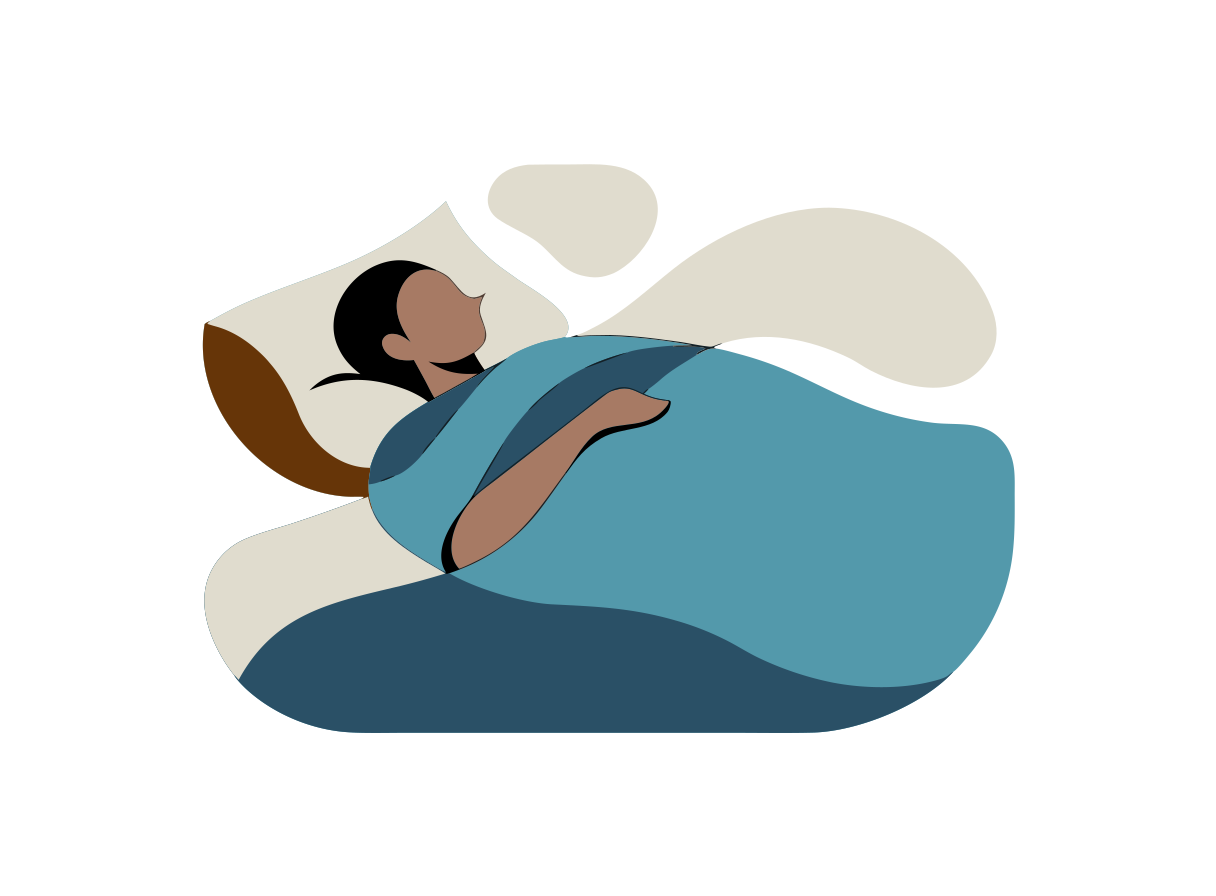
Illustration of a person sleeping through the night without pain

A full night without wincing

No bracing for the next electric jolt. No burning nerve pain keeping you from real sleep.

Illustration of a calm face with a gentle, even, symmetric smile

A face that matches how you feel

A smile that works on both sides. An expression that finally looks like you again.

Illustration of a person reading a book, eyes relaxed and clear

Reading without looking away

A page, a face across the room, a street sign, without the center of your vision working against you.

Patient Outcomes

In their words

Individual results vary. These reflect specific patients’ experiences and are not typical or guaranteed outcomes.

Read the reviews on Google →

Questions, Answered

Frequently asked questions

The clinic treats post-stroke recovery, trigeminal neuralgia, shingles and post-herpetic nerve pain, Bell’s palsy, and macular degeneration, each with its own tailored protocol. If you don’t see your condition listed, call us; many neurological conditions share underlying mechanisms in circulation and nerve signaling.
It depends on the nerve and tissue involvement, which is why we evaluate first. Nerve signaling and circulation can and do respond to direct treatment, that is precisely what the protocol targets. Where a change is unlikely to be reversible, such as vision already lost to macular degeneration, we say so at the consultation.
General-purpose acupuncture is not a neurological protocol. Your program combines acupuncture with ATP Resonance BioTherapy® and O3 ReBoot Therapy® in a staged, personalized clinical structure with progress measurement, a fundamentally different intervention.
No. We work alongside your prescribing neurologist or physician. Many patients adjust medication over time in consultation with their doctor as symptoms improve, but that is your physician’s call, never ours alone.
Patients who respond typically log their first measurable changes during the initial intensive phase. Durable improvement is built across the rehabilitation phase that follows, nerve recovery can happen, but it is rarely fast.
The consultation is real clinical time: your history, a pattern assessment, and a decision about candidacy. Charging for it keeps it exactly that, rather than a pitch with a clipboard. Sometimes the decision is that you’re not a candidate. The fee covers that answer too.
If that feels right to you, absolutely. Many patients simply book; no referral or permission is needed. Either way, the evaluation gives you something concrete to bring to that conversation: a read on your case and a specific plan, rather than a general idea.
Book Your Consultation

Your body has been sending the message for a while. Answer it.

Your initial consultation is $45. Tell us your story, and we’ll evaluate your case.

Call us

954-772-1919

Speak to a real person about your case today.

Visit us

3471 North Federal Highway, Suite 500
Fort Lauderdale, FL 33306

Physicians

Physicians across Broward County refer patients here; a phone call is all it takes.

New Patient Offer $45 Initial Consultation

Book your first visit

We’ll confirm by call or text, usually the same day.

Book Now

No referral required · We coordinate with your physician.

New Patient Offer $45 Initial Consultation

Book your first visit

We’ll confirm by call or text, usually the same day.

How should we reach you?

By checking the box above and submitting this form, you consent to receive text messages from South Florida Acupuncture and comply with our policy. Standard message and data rates may apply. Message frequency will vary. Reply HELP for support. Reply STOP to opt out. See our privacy policy for more information.

Prefer to talk now? Call 954-772-1919