Mind & Emotional Wellness · Fort Lauderdale

Your mind and body are connected. We treat them that way.

Anxiety that lives in a racing heart. Depression that shows up as exhaustion. Sleep that won’t come, no matter how tired you are. A loved one’s dementia that asks more of your family than anyone prepares you for. Standard care manages the diagnosis and the medication. There is a different way: direct support for the nervous system and body carrying all of it, coordinated with the therapist, psychiatrist, or physician already managing your care.

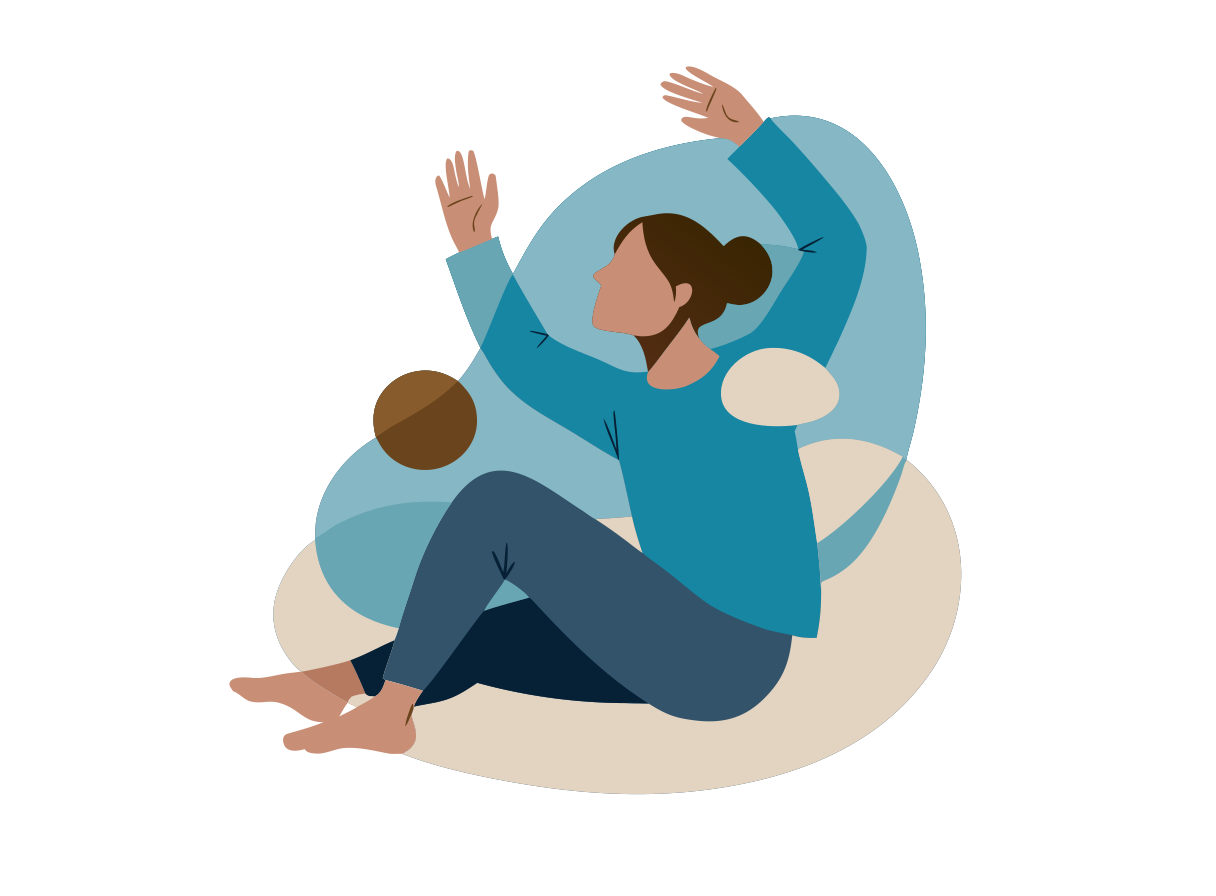
Abstract teal wellness illustration of a person breathing calmly, thoughts settling into soft flowing shapes
1000s of patients, each on their own protocol
Since 1994 practicing in Fort Lauderdale
100+ patient reviews on Google →
Therapist, psychiatrist & physician referrals welcomed Coordinated care alongside your care team
The Real Problem

Your mind and body carry these together

Three layers of the same problem, what the body experiences, what it does to you, and why it’s wrong to leave it there.

What’s Happening

One nervous system, many symptoms

A racing heart with anxiety. Exhaustion with depression. A mind that won’t quiet down at bedtime. Agitation and disrupted sleep with dementia. Each condition asks something different of the nervous system, and each deserves more than a shrug.

How It Feels

Doing the work and still depleted

Doing the work in therapy and still feeling depleted. Dreading bedtime. Carrying a diagnosis, or a loved one’s diagnosis, largely alone. The exhaustion is real, even when it’s invisible to everyone else.

Why It Matters

The body’s side of this deserves treating too.

Therapy, medication, and medical management are essential, and they’re not the same as direct support for the physical, nervous-system side of these conditions. You deserve both.

The villain isn’t your therapist, psychiatrist, or physician. It’s the gap between diagnosis and support.

What often gets left out is direct, hands-on support for the physical and nervous-system side of these conditions, from a provider trained to work alongside that care, not around it. That’s the gap this clinic exists to close.

Your care team’s job is diagnosis, therapy, and medical treatment, and that’s exactly what it should be.

How It Works

Every therapy adapted to your situation, not one-size-fits-all.

Acupuncture

Uses technique appropriate to your specific situation, calming an overactive stress response, easing agitation, or supporting sleep. It addresses the nervous system directly, alongside your existing care.

ATP Resonance BioTherapy®

Microcurrent at millionths of an ampere, FDA-cleared for the symptomatic relief of pain. We use it to support general recovery and energy through the physical toll of anxiety, depression, PTSD, or chronic sleep loss. Most patients feel nothing during the session itself; any changes tend to build gradually, over weeks.

O3 ReBoot Therapy®

Ozone-based regenerative therapy that supports circulation, which plays a role in mental clarity and general wellbeing, adapted to each patient, including gentler protocols where appropriate.

Your Guide

We’ve heard this story. Thousands of times.

Patients arrive here already working with a therapist, psychiatrist, or physician, managing anxiety, depression, PTSD, insomnia, brain fog, or a loved one’s dementia. Susan Mitchell has spent more than three decades supporting the physical and nervous-system side of these conditions, not with promises about outcomes, but with a protocol built around where you actually are.

Susan Mitchell, AP is a Florida-licensed Acupuncture Physician and clinical director of South Florida Acupuncture in Fort Lauderdale. She combines acupuncture and ATP Resonance BioTherapy®, with O3 ReBoot Therapy® added, into a single coordinated protocol, tailored to each patient’s case.

Adapted to where you actually are

The technique shifts with the situation, from calming an overactive stress response to gentle, comfort-focused care for a loved one with dementia. What stays constant is attention to the physical, nervous-system side these conditions carry.

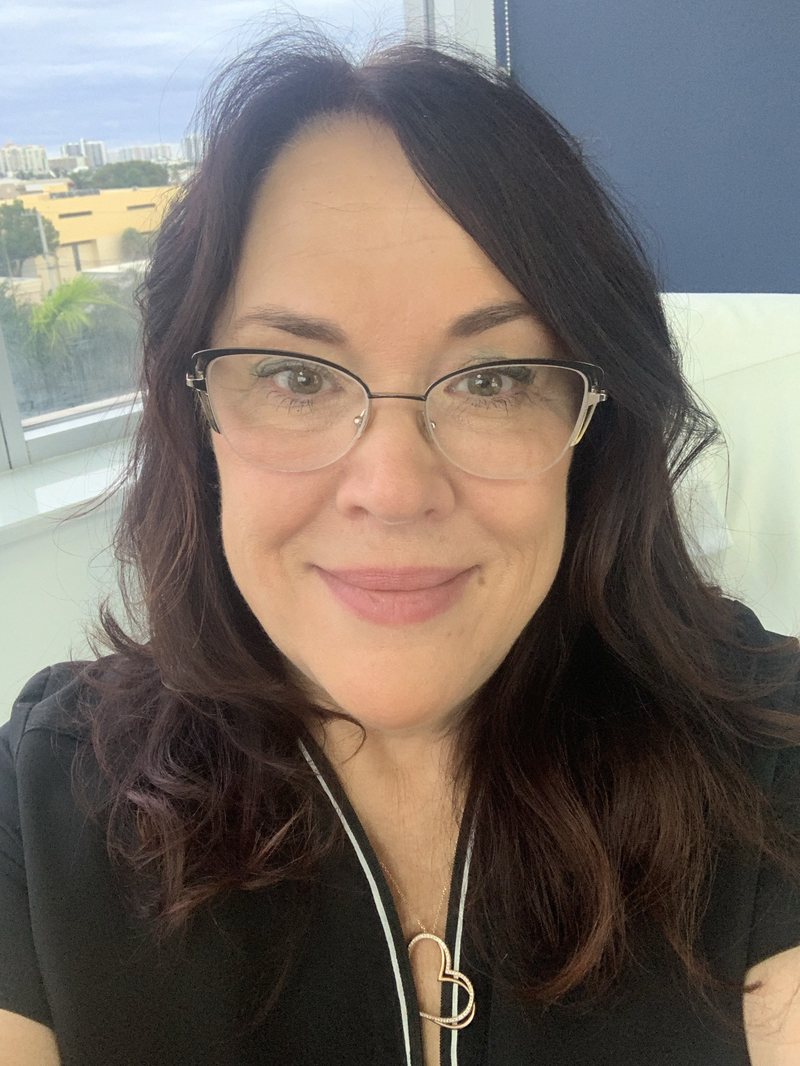
Susan Mitchell, AP, Acupuncture Physician

Susan Mitchell, AP

Clinical Director · 30+ years

You’re Not a Case Number

Your protocol, personalized

Your treatment frequency, therapy mix, and program length are set as a plan at your evaluation, built around your case. We hold to that plan for the most part, and adjust it as needed when your response calls for it.

Your specific situation

Anxiety, depression, insomnia, brain fog, or a loved one’s dementia each set a different starting approach.

Your response

Your baseline is taken at the evaluation; the plan follows what the measures do from there.

Your care team

Your plan is built and adjusted in coordination with your therapist, psychiatrist, or physician, never around them.

A timeline of a plan's visit cadence. Each mark is a visit. The marks are close together and heaviest through an intensive phase, space out and lighten through a consolidation phase, and are furthest apart and lightest through a reinforcement phase: care tapers as the plan progresses. Your plan is set at your evaluation. Frequency steps down as your measured progress allows, and it can step back up again if needed. This describes how a plan is shaped over time, not a promise about results.

Candidacy comes first: the evaluation determines whether the program fits your situation, then we discuss the investment in person.

What’s at Stake

Unsupported strain doesn’t stay contained to the mind

Chronic nervous-system activation, disrupted sleep, and the physical toll of these conditions can each affect sleep, relationships, and daily function well beyond the specific symptom itself. Direct support alongside your care team is worth pursuing for its own sake, not as a promise about any medical outcome.

What Support Looks Like

Imagine what so many of our patients describe…

Illustration of a person sitting calmly with a settled, even breath

A nervous system that isn’t stuck on high alert

Support for the physical alarm response of anxiety, alongside the therapy or medication already managing it.

Illustration of a person working calmly and steadily at a desk

More capacity for the work you’re already doing

Support for the physical fatigue and tension that come with depression and PTSD, alongside your therapist.

Illustration of a person waking up rested and stretching in the morning

Mornings that don’t start already exhausted

A mind that quiets down at bedtime, instead of another night staring at the ceiling.

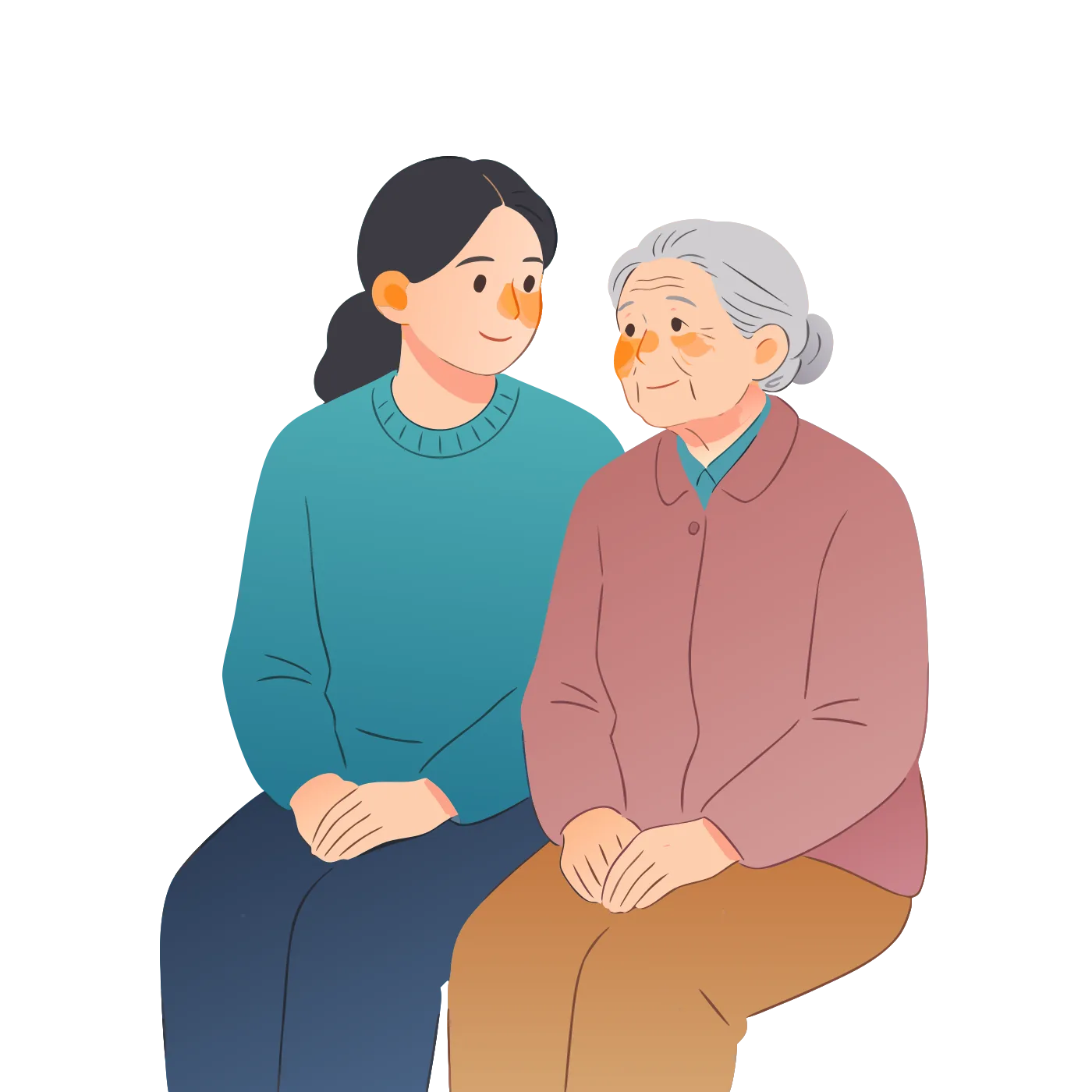
Illustration of a person sitting gently beside an elderly parent

Gentler days, for your whole family

Comfort-focused support for a loved one with dementia, coordinated with their neurologist or geriatrician.

Patient Experiences

In their words

Individual results vary. These reflect specific patients’ experiences and are not typical or guaranteed outcomes.

Read the reviews on Google →

Questions, Answered

Frequently asked questions

The clinic supports anxiety, stress, and panic; depression and PTSD; insomnia; everyday brain fog and fatigue; and comfort-focused care for families navigating dementia, each with its own tailored approach. If you don’t see your situation listed, call us.
No, diagnosis and treatment of anxiety, depression, PTSD, and other mental health conditions remain your therapist’s or psychiatrist’s role. We support the physical nervous-system strain that comes alongside them.
No, please contact your therapist, psychiatrist, the 988 Suicide & Crisis Lifeline (call or text 988), or your nearest emergency room immediately. This clinic supports ongoing wellness, not emergency mental health care.
No, the therapies work alongside your existing care, never as a replacement for it. Any medication decisions remain your prescriber’s.
No, we do not treat, slow, or reverse dementia or cognitive decline. Our dementia-related support is comfort-focused only, coordinated with your loved one’s neurologist or geriatrician.
The consultation is real clinical time: your history, a pattern assessment, and a decision about candidacy. Charging for it keeps it exactly that, rather than a pitch with a clipboard. Sometimes the decision is that you’re not a candidate. The fee covers that answer too.
If that feels right to you, absolutely. Many patients simply book; no referral or permission is needed. Either way, the evaluation gives you something concrete to bring to that conversation: a read on your case and a specific plan, rather than a general idea.
Book Your Consultation

You’ve been carrying a lot. Let’s support the body carrying it.

Your initial consultation is $45. Tell us your story, and we’ll evaluate your case.

Call us

954-772-1919

Speak to a real person about your case today.

Visit us

3471 North Federal Highway, Suite 500
Fort Lauderdale, FL 33306

Therapists, psychiatrists & physicians

Physicians across Broward County refer patients here; a phone call is all it takes.

New Patient Offer $45 Initial Consultation

Book your first visit

We’ll confirm by call or text, usually the same day.

Book Now

No referral required · We coordinate with your therapist, psychiatrist, or physician.

New Patient Offer $45 Initial Consultation

Book your first visit

We’ll confirm by call or text, usually the same day.

How should we reach you?

By checking the box above and submitting this form, you consent to receive text messages from South Florida Acupuncture and comply with our policy. Standard message and data rates may apply. Message frequency will vary. Reply HELP for support. Reply STOP to opt out. See our privacy policy for more information.

Prefer to talk now? Call 954-772-1919