
Diabetic Peripheral Neuropathy

You controlled the diabetes. The nerve damage didn’t get the message.

You count the carbs. You take the metformin. Your A1C is better than your doctor’s expectations. And your feet still burn every night, as if none of the discipline counted. It counted. It protected you from new damage; it just couldn’t reach the damage already done. That takes a different kind of treatment.

Why doing everything right wasn’t enough

What’s Happening

The damage is dual

Diabetic neuropathy is two injuries at once: years of elevated glucose damage the nerve fibers directly, and they damage the microscopic blood vessels that feed those nerves. Starved and injured, the nerves misfire, burning, tingling, then numbness.

How It Feels

The unfairness of it

You did the work. The diagnosis came with a to-do list and you did the list. The frustration of progressing neuropathy while your labs improve is its own quiet injury, the feeling that your discipline bought you nothing.

Why It Matters

Control is not repair

Glucose control stops new damage. It does not rebuild circulation or re-energize injured fibers. You deserve a treatment plan that addresses the damage already done, not just prevention advice for damage to come.

Diabetic neuropathy is two injuries at once: years of high glucose damage the nerve fiber directly and choke off the blood vessels that feed it, so the nerve is both injured and starved and begins to misfire, causing burning, tingling, and numbness. Glucose control stops new damage but does not repair either injury.

The gap in standard diabetic care

The standard playbook for diabetic neuropathy is glucose management plus gabapentin, prevention plus masking. The middle step, actually treating the injured nerves and the microvasculature that supplies them, is missing from the protocol entirely. That middle step is what we do.
We’ve treated the patients who did everything right

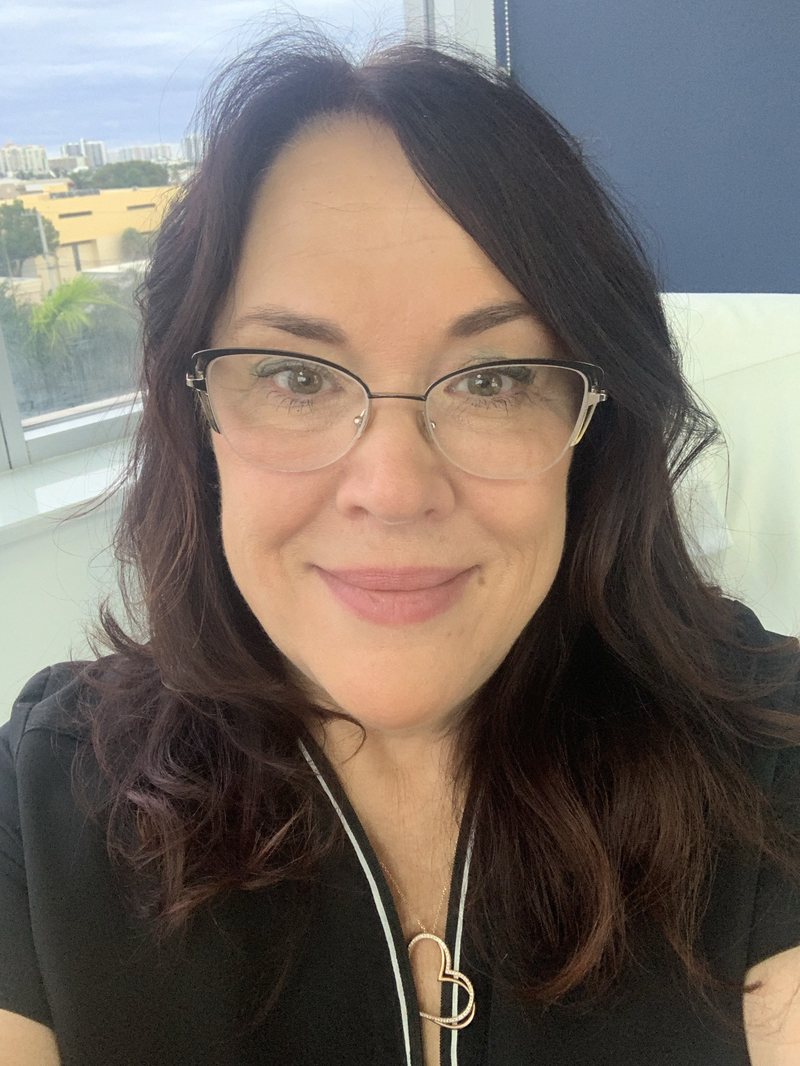
Half the neuropathy patients in this clinic are diabetics with excellent A1Cs and burning feet. Susan Mitchell, AP, has made a career of exactly this case, and built your protocol around the dual mechanism that makes diabetic neuropathy distinct.

The clinical logic: The acupuncture addresses the misfiring signal itself. ATP Resonance BioTherapy® targets the nerve side, supporting the cellular energy processes involved in nerve repair. O3 ReBoot Therapy® adds the microvascular side, supporting oxygen delivery to nerve tissue affected by damaged capillaries. Three mechanisms, matched to a two-front injury.

How we work with your doctor

Nothing changes with your medications except through your prescriber. Endocrinologists and podiatrists across Broward County send us the patients whose nerve damage outran glucose control, and many patients simply send themselves.

Susan Mitchell, AP, Acupuncture Physician

Susan Mitchell, AP

Clinical Director · 30+ years

You’re Not a Case Number

Your protocol, personalized

Your treatment frequency, therapy mix, and program length are set as a plan at your evaluation, built around your case. We hold to that plan for the most part, and adjust it as needed when your response calls for it.

What shapes your plan

Nerve involvement & duration

How long you’ve had symptoms and how much sensation has changed sets your starting intensity.

Your response

Your baseline is measured at the evaluation, and adjustments follow what those numbers do over the course of care.

Your goal

For some cases the finish line is regained sensation; for others, stopping the spread. We define it with you, not for you.

Candidacy comes first: the evaluation determines whether the program fits your case, then we discuss the investment in person.

The Plan

Three steps, starting with a $45 consultation

  1. 1

    $45 initial consultation

    Bring your story and your med list. We evaluate your case, including whether you’re not a candidate.

  2. 2

    Personalized protocol

    A staged, personalized plan built around your neuropathy, your diabetes history, and your baseline measurements.

  3. 3

    Reclaim your life

    Feel the floor. Sleep the night. Let the discipline you’ve shown finally pay off below the ankles.

Illustration of a person walking with a confident, sure-footed stride
What Steady Feels Like

Trust your feet again

Stairs you take without counting them.

Standing long enough to cook a real dinner.

A walk that’s just a walk, not a risk you manage.

For diabetics, numb feet are not just uncomfortable

Diabetic neuropathy is the leading driver of foot ulcers and lower-limb amputation, injuries that begin as blisters on feet that couldn’t feel them. Falling sensation also means falling balance. We don’t claim to reverse existing nerve damage, but earlier support tends to be more worthwhile than later support, and advanced numbness is the hardest case to work with. If your feet are speaking to you at all, that is the window.

Questions, Answered

Diabetic Neuropathy FAQs

A good A1C protects you going forward; it can’t undo the injury already written into the nerves and small vessels. Symptoms can progress from damage already done, which is exactly the gap a regenerative protocol addresses.
No. The therapies are non-pharmaceutical and work alongside your existing regimen. We never change your medications; that stays with your endocrinologist.
Numbness indicates more advanced fiber involvement. Some numbness-dominant patients still regain meaningful sensation; the consultation determines what is realistic for your case.
Podiatrists protect your feet from the consequences of neuropathy, vital work that runs alongside this. Your program focuses on the injured nerve tissue and its blood supply with a staged acupuncture + ATP + O3 protocol that podiatry offices don’t carry.
There is no single treatment that works for everyone, and any provider claiming to have “the best” one is overpromising. Most diabetic foot neuropathy is managed with a combination of approaches: keeping blood sugar controlled with your endocrinologist, protective foot care with your podiatrist, and medications that quiet nerve pain. What we add alongside that team is a focus on the nerve tissue itself rather than only the pain signal. Patients who respond typically notice changes in sensation or comfort over a series of sessions, though results vary and we cannot promise them.
Patients who respond typically log first changes during the initial intensive phase, often less night burning or improved sensation in patches. Durable recovery builds over the rehabilitation phase.
Yes, and many patients arrive exactly that way. No referral is required, though; you can call directly.
Book Your Consultation

Your feet have been sending the message for years. Answer it.

Your initial consultation is $45. Tell us your story, and we’ll evaluate your case.

Call us

954-772-1919

Speak to a real person about your case today.

Visit us

3471 North Federal Highway, Suite 500
Fort Lauderdale, FL 33306

Physicians

Physicians across Broward County refer patients here; a phone call is all it takes.

New Patient Offer $45 Initial Consultation

Book your first visit

We’ll confirm by call or text, usually the same day.

Book Now

No referral required · We coordinate with your physician.

New Patient Offer $45 Initial Consultation

Book your first visit

We’ll confirm by call or text, usually the same day.

How should we reach you?

By checking the box above and submitting this form, you consent to receive text messages from South Florida Acupuncture and comply with our policy. Standard message and data rates may apply. Message frequency will vary. Reply HELP for support. Reply STOP to opt out. See our privacy policy for more information.

Prefer to talk now? Call 954-772-1919