Chemotherapy-Induced Peripheral Neuropathy

You beat cancer. The neuropathy shouldn’t follow you into survivorship.

You did the hardest thing a body can be asked to do. The scans are clear. The bell was rung. And your hands and feet still carry the chemotherapy with them, tingling, burning, fumbling buttons, dropping keys. Survivorship is supposed to be the prize. It shouldn’t come with a toll.

The cruelest side effect is the one that stays

What’s Happening

What the drugs did

Taxanes, platinum agents, vinca alkaloids, bortezomib, the same drugs that killed the cancer also injured the long peripheral nerves, starting with the longest: the ones serving your feet and hands. For some survivors it fades. For many, it plateaus and stays.

How It Feels

What no one prepared you for

You were braced for the hair, the nausea, the fatigue. Nobody warned you the neuropathy might outlast all of it, or how guilty it feels to complain about anything when you’re the one who survived.

Why It Matters

Survivorship should mean living

You didn’t endure treatment to spend remission measuring your steps. Being cancer-free and being well are not the same thing, and you’re allowed to want both.

The survivorship gap

Oncology’s job was to save your life, and it did. But once active treatment ends, CIPN is usually handed a prescription (gabapentin or duloxetine) and a shrug: “give it time.” There is no protocol in the standard handoff for actually rehabilitating the injured nerves. That missing protocol is what this clinic provides.

We’ve walked survivors through this before

CIPN patients arrive here with a particular weariness, they’ve already done a year or more of appointments and don’t want another open-ended one. Susan Mitchell, AP, treats CIPN inside a defined, staged structure with measured progress, because survivors deserve a finish line, not a treadmill.

The clinical logic: The acupuncture addresses the misfiring signal patterns that keep tingling and burning alive after the original insult has ended. ATP Resonance BioTherapy® supports the cellular energy production that chemo-injured fibers need to repair. O3 ReBoot Therapy® restores the microcirculation that delivers the raw materials.

How we work with your doctor

We treat CIPN after active treatment, not during it, and nothing changes with your medications except through your prescriber. Oncology and survivorship teams across Broward County send us their patients, and many survivors simply send themselves.

Susan Mitchell, AP, Acupuncture Physician

Susan Mitchell, AP

Clinical Director · 30+ years

You’re Not a Case Number

Your protocol, personalized

Your treatment frequency, therapy mix, and program length are set as a plan at your evaluation, built around your case. We hold to that plan for the most part, and adjust it as needed when your response calls for it.

What shapes your plan

Nerve involvement & duration

How long you’ve had symptoms and how much sensation has changed sets your starting intensity.

Your response

Your baseline is measured at the evaluation, and adjustments follow what those numbers do over the course of care.

Your goal

For some cases the finish line is regained sensation; for others, stopping the spread. We define it with you, not for you.

Candidacy comes first: the evaluation determines whether the program fits your case, then we discuss the investment in person.

The Plan

Three steps, starting with the consultation

  1. 1

    $45 initial consultation

    Bring your treatment history and where the tingling and numbness sit now. We evaluate your case, including whether you’re not a candidate.

  2. 2

    Personalized protocol

    A staged, personalized plan built around your chemotherapy history and measured against your day-one baseline, not guessed.

  3. 3

    Reclaim survivorship

    The fine motor, the steady walk, and the full nights the bell was supposed to come with.

What Success Looks Like

Imagine survivorship that actually feels like it

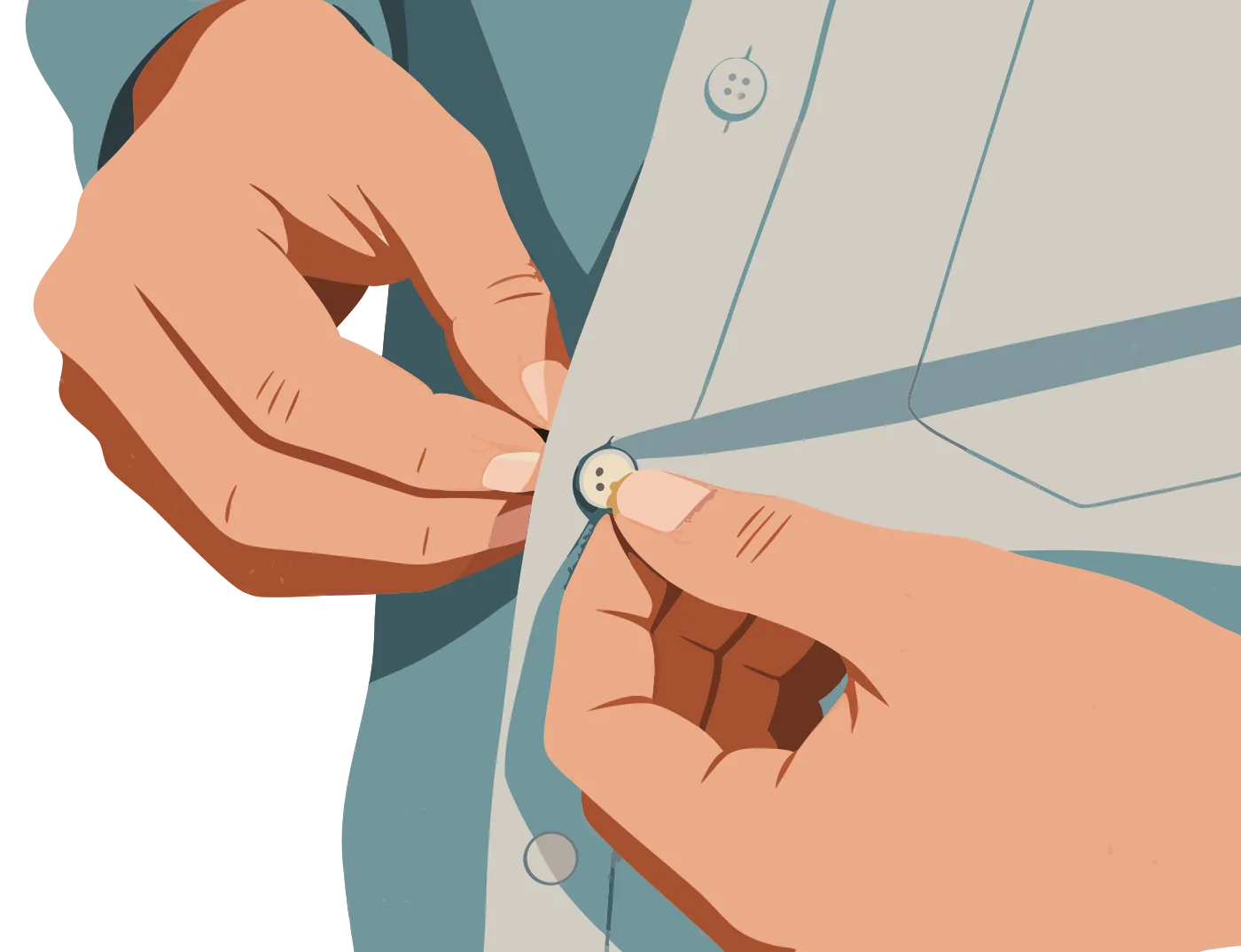
Illustration of two hands fastening a shirt button

Buttons and earrings

Fingertips that cooperate again, no more asking for help with the small things.

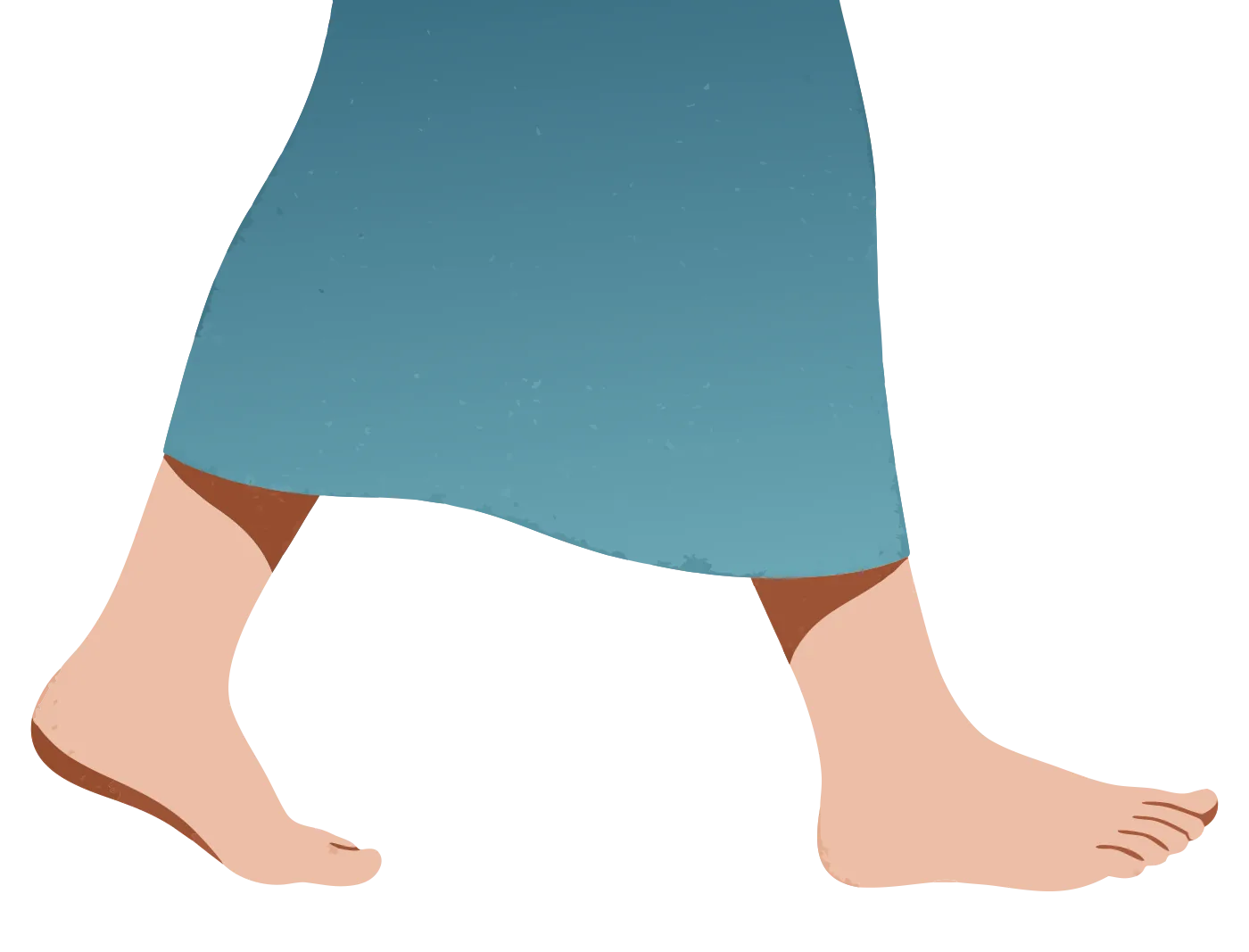
Illustration of bare feet walking with steady steps

The morning walk

Feet that report the ground accurately, without the gravel-in-the-sock illusion.

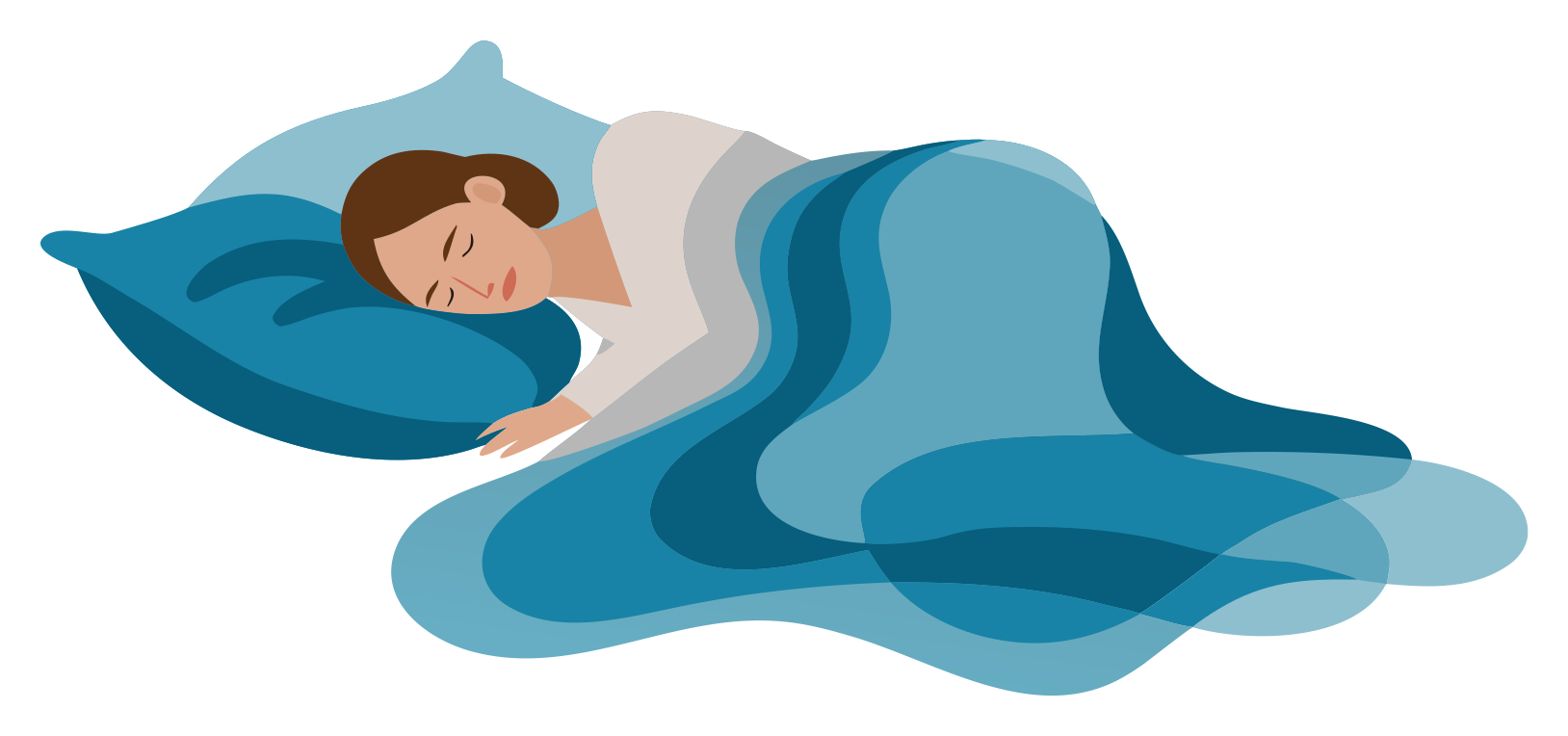
Illustration of a person sleeping peacefully in bed at night

A night without burning

Sleep that doesn’t require positioning your feet outside the covers.

Illustration of a person standing outdoors, relaxed and unburdened

Remission, fully lived

The version of survivorship you pictured when you rang the bell.

“Give it time” has a shelf life

Some CIPN improves spontaneously in the first months after treatment ends. Past that window, waiting stops being a strategy: signaling patterns entrench, balance erodes, and neuropathic feet quietly reorganize a survivor’s life around what they can’t do. You’ve already given it time. If it hasn’t left on its own, it’s not planning to.

Questions, Answered

Chemo-Induced (CIPN) FAQs

The most common culprits: taxanes (paclitaxel/Taxol, docetaxel), platinum agents (oxaliplatin, cisplatin, carboplatin), vinca alkaloids (vincristine), bortezomib (Velcade), and thalidomide/lenalidomide. If your neuropathy began during or shortly after treatment with any of these, CIPN is the likely diagnosis.
It’s not too late to be evaluated, and earlier is generally easier to work with, but we don’t make claims about how much a longstanding case can improve. Whenever you start, the evaluation establishes a realistic baseline for your case.
Yes. CIPN care here begins once your oncologist’s active treatment is behind you, and the evaluation gives you a specific read to bring back to your team. Many CIPN patients arrive exactly that way.
Acupuncture is widely used in major oncology centers for treatment side effects, and our protocols are adapted for survivors (including lymphedema precautions). Your consultation reviews your full history before any treatment is planned.
“Permanent” often reflects the limits of the standard toolkit rather than a certainty about your specific case, which is why we evaluate rather than assume. At evaluation we tell you what a realistic outcome looks like for you.
Patients who respond typically log first changes in the initial intensive phase. Fine motor and balance gains typically build through the rehabilitation phase.
Book Your Consultation

Your feet have been sending the message for years. Answer it.

Your initial consultation is $45. Tell us your story, and we’ll evaluate your case.

Call us

954-772-1919

Speak to a real person about your case today.

Visit us

3471 North Federal Highway, Suite 500
Fort Lauderdale, FL 33306

Physicians

Physicians across Broward County refer patients here; a phone call is all it takes.

New Patient Offer $45 Initial Consultation

Book your first visit

We’ll confirm by call or text, usually the same day.

Book Now

No referral required · We coordinate with your physician.

New Patient Offer $45 Initial Consultation

Book your first visit

We’ll confirm by call or text, usually the same day.

How should we reach you?

By checking the box above and submitting this form, you consent to receive text messages from South Florida Acupuncture and comply with our policy. Standard message and data rates may apply. Message frequency will vary. Reply HELP for support. Reply STOP to opt out. See our privacy policy for more information.

Prefer to talk now? Call 954-772-1919