A mind and body that won’t power down
Trouble falling asleep, waking in the middle of the night and struggling to fall back asleep, or waking too early, often paired with a racing mind or physical restlessness that makes rest feel out of reach.
Insomnia
The mind that won’t quiet down the moment your head hits the pillow. The wake-up at 3am that turns into an hour of staring at the ceiling. The exhaustion the next day that somehow doesn’t make tonight any easier. You’ve tried melatonin, sleep hygiene, maybe a prescription. There is a different way to approach insomnia: calm the nervous system that’s keeping you awake, not just chase another sleep aid.
Trouble falling asleep, waking in the middle of the night and struggling to fall back asleep, or waking too early, often paired with a racing mind or physical restlessness that makes rest feel out of reach.
The anxiety about tonight’s sleep that starts hours before bedtime. The fog that follows you through the next day. The frustration of doing everything “right” and still lying awake.
Melatonin and sleep medications can help in the moment; the nightstand isn’t where the pattern lives. You deserve a plan aimed at the pattern.
Standard care for insomnia is sleep hygiene advice and, if needed, medication. What’s often missing is direct treatment of the nervous-system activation and physical restlessness that keep the body from settling into sleep.
Patients arrive here having tried what the articles recommend and sometimes medication, still struggling to fall or stay asleep. The evaluation starts with your actual nights, when sleep breaks and what wakes you, and the plan is measured against that baseline.
The clinical logic: The acupuncture calms an overactive nervous system implicated in difficulty falling and staying asleep. ATP Resonance BioTherapy® supports the body’s recovery from chronic sleep disruption. O3 ReBoot Therapy® supports general circulation and relaxation.
Nothing changes with your sleep medication except through your prescriber, who also rules out underlying causes like sleep apnea. Physicians across Broward County send us patients still staring at the ceiling after sleep hygiene and medication, and many patients simply send themselves.
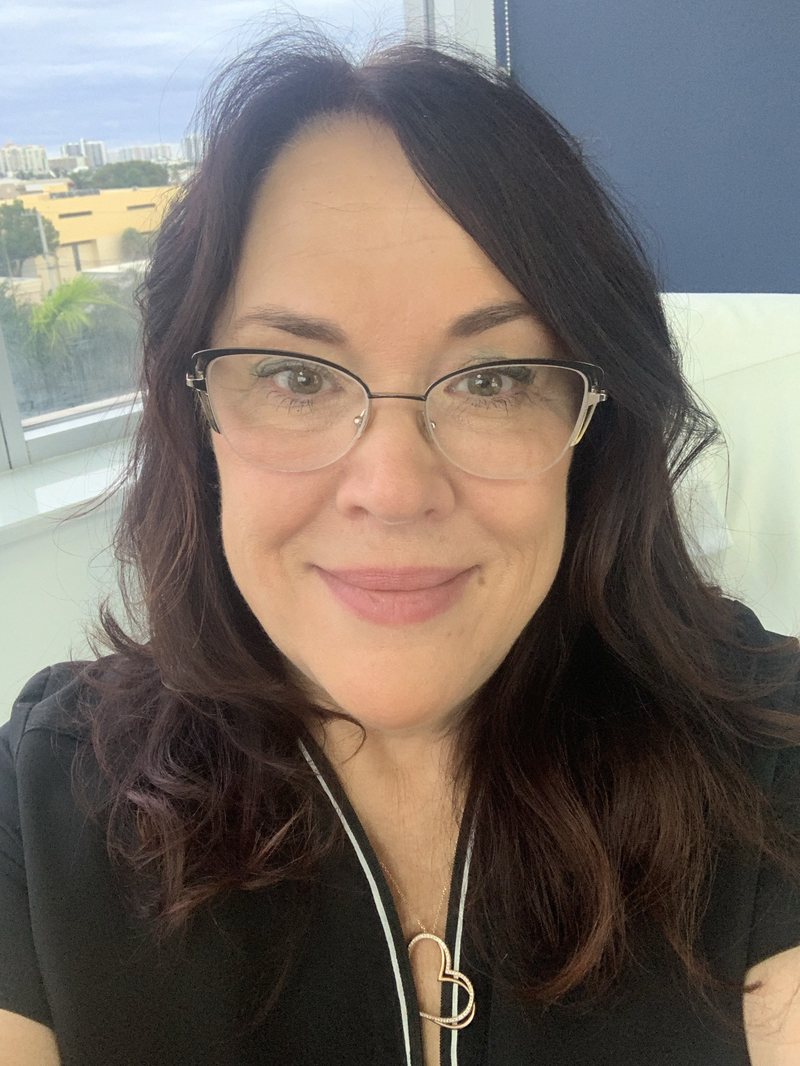
Susan Mitchell, AP
Clinical Director · 30+ years
There’s no fixed number of visits and no generic timeline. Your treatment frequency, therapy mix, and program length are set at your evaluation and adjusted at every visit based on how you’re actually responding.
What you’re experiencing and how long it’s been going on sets your starting approach.
Visit frequency steps up or down based on your measured progress at each visit, not a preset week count.
Your plan is built and adjusted in coordination with your physician, never around them.
Candidacy comes first: the evaluation determines whether the program fits your case; cost is discussed in person after that.
Tell us your sleep pattern and what you’ve already tried. We evaluate your case, including whether you’re not a candidate.
A plan built around your specific pattern, trouble falling asleep, staying asleep, or both.
A mind that quiets down at bedtime. Mornings that don’t start already exhausted.
A bedtime that isn’t a negotiation.
2am that you sleep straight through.
A morning that doesn’t start in a deficit.
Ongoing sleep disruption affects mood, focus, and overall health well beyond the hours you’re actually awake at night. Treating the activation itself, rather than just adding another sleep aid, may help widen what a normal night, and day, can look like.
Your initial consultation is $45. Tell us your story, and we’ll evaluate your case.
Visit us
3471 North Federal Highway, Suite 500
Fort Lauderdale, FL 33306
Therapists, psychiatrists & physicians
Physicians across Broward County refer patients here; a phone call is all it takes.
Book your first visit
We’ll confirm by call or text, usually the same day.
No referral required · We coordinate with your therapist, psychiatrist, or physician.