Comfort care, not disease treatment
This is gentle, calming support aimed at comfort, relaxation, agitation, and sleep, not a treatment for dementia, and not a claim to slow, stop, or reverse cognitive decline.
Dementia Care Support
The agitation that’s hard to soothe. The sleep that’s become unpredictable, for your loved one and for you. The exhaustion of caregiving, on top of watching someone you love change. Your loved one’s neurologist or geriatrician manages the diagnosis and medical care of the disease itself. There is a different way to support the day-to-day: gentle, calming care focused on comfort, relaxation, and quality of life, for the person living with dementia, coordinated closely with their medical team.
This is gentle, calming support aimed at comfort, relaxation, agitation, and sleep, not a treatment for dementia, and not a claim to slow, stop, or reverse cognitive decline.
The vigilance that doesn’t turn off. The grief of a slow goodbye. The exhaustion of caregiving on top of every other responsibility, often with little space to ask how you, the caregiver, are actually doing.
Dementia care is primarily managed by a neurologist or geriatrician, appropriately. Alongside that, we believe care aimed at comfort and relaxation has real value for quality of life, both for the person living with dementia and the family caring for them.
Medical care for dementia focuses, appropriately, on diagnosis, medication, and safety planning. What’s often missing is dedicated, hands-on support aimed purely at the day-to-day: calmer afternoons, easier nights, not a treatment for the disease itself.
Families come to this clinic looking for calming, comfort-focused care for a loved one with dementia, always alongside, never instead of, their neurologist or geriatrician’s care. The evaluation covers stage, tolerance, and consent before anything is planned.
The approach: gentle acupuncture and calming touch-based techniques, adapted carefully to each person’s comfort and ability to tolerate treatment, aimed at relaxation and easing agitation.
This is comfort care. It is aimed at calm, rest, and easier days, for the person and for the people caring for them. We do not claim to treat, slow, or reverse dementia or cognitive decline; the disease course itself sits with the neurologist or geriatrician, and we coordinate closely with them and with the family.
Your loved one’s neurologist or geriatrician manages diagnosis, medication, and disease progression; we coordinate with them and with family caregivers. This is comfort-focused support only, never a substitute for medical care.
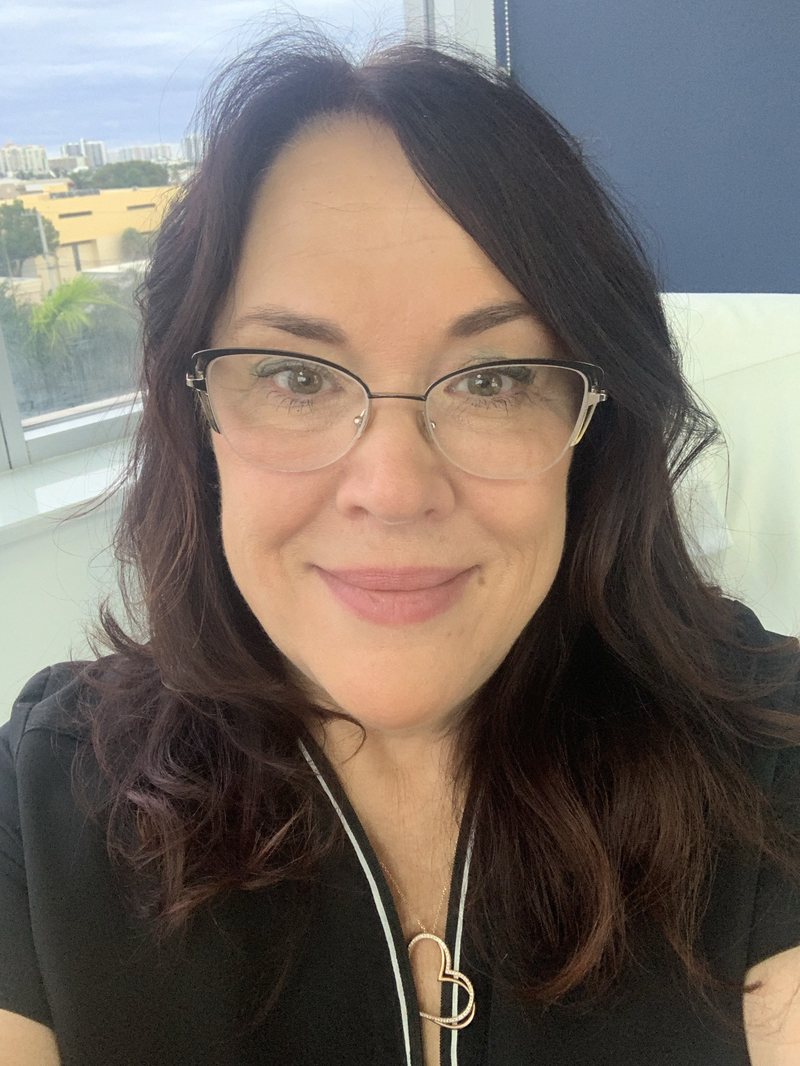
Susan Mitchell, AP
Clinical Director · 30+ years
There’s no fixed number of visits and no generic timeline. Your treatment frequency, therapy mix, and program length are set at your evaluation and adjusted at every visit based on how you’re actually responding.
What you’re experiencing and how long it’s been going on sets your starting approach.
Visit frequency steps up or down based on your measured progress at each visit, not a preset week count.
Your plan is built and adjusted in coordination with your loved one’s neurologist or geriatrician, and your family, never around them.
Candidacy comes first: the evaluation determines whether the program fits your case; cost is discussed in person after that.
Tell us about your loved one’s stage, comfort level, and current medical care. We evaluate your loved one’s case, including whether they’re a candidate.
Adapted carefully to your loved one’s comfort, tolerance, and stage, coordinated with their medical team.
Gentler days. A little more ease, for everyone involved.
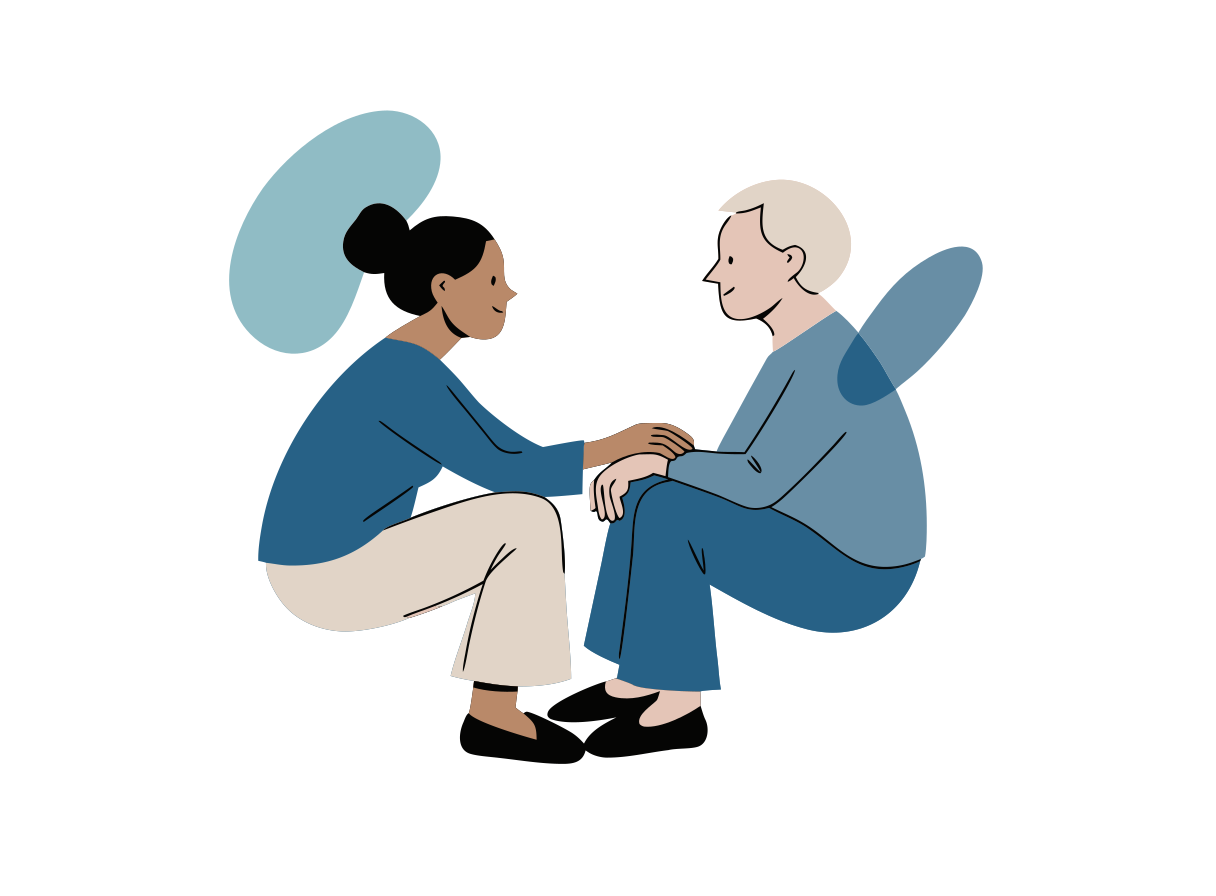
An afternoon that stays calm.
A little more ease at the hardest hours.
Time together that isn’t only about the disease.
Agitation, disrupted sleep, and distress can affect quality of life for both the person living with dementia and their caregivers. Gentle, comfort-focused support is worth pursuing for its own sake, not as a treatment for the disease, but as care for the whole family navigating it.
Your initial consultation is $45. Tell us your story, and we’ll evaluate your case.
Visit us
3471 North Federal Highway, Suite 500
Fort Lauderdale, FL 33306
Therapists, psychiatrists & physicians
Physicians across Broward County refer patients here; a phone call is all it takes.
Book your first visit
We’ll confirm by call or text, usually the same day.
No referral required · We coordinate with your therapist, psychiatrist, or physician.