A disease that moves
Swelling, stiffness, and pain that shift between joints (hands, wrists, knees, feet), often worse in the morning and easing partially as the day goes on. Flares can appear even when disease-activity markers look stable.
Rheumatoid Arthritis
The morning stiffness that takes an hour to work through. The swollen knuckles that make a jar lid feel impossible. Your rheumatologist has your RA on a DMARD or biologic, and your bloodwork looks better, but the joint pain and stiffness haven’t fully let go. There is a different way to support rheumatoid arthritis: treat the local joint inflammation and nerve irritation directly, alongside the medication managing the disease itself.
Swelling, stiffness, and pain that shift between joints (hands, wrists, knees, feet), often worse in the morning and easing partially as the day goes on. Flares can appear even when disease-activity markers look stable.
The doorknob you turn with two hands. The walk you cut short because your knee flared without warning. The quiet exhaustion of a disease that’s invisible on the days it doesn’t want to be.
Escalating the systemic medication is a serious decision your rheumatologist weighs carefully, and a hurting knee shouldn’t have to wait on it. You deserve a direct option for the joint itself in the meantime.
The standard playbook is a DMARD or biologic, monitored through regular bloodwork, plus NSAIDs for flares. What’s often missing is direct, local treatment of the inflamed joint tissue and irritated nerves causing day-to-day pain and stiffness.
Patients arrive here already under a rheumatologist’s care, with disease activity reasonably controlled but persistent joint pain, stiffness, or swelling that hasn’t fully resolved. Her starting questions are not about the disease overall: which joints are costing you the most, and what does a flare week actually look like for you?
The clinical logic: The acupuncture addresses the amplified pain signaling that can persist in joints even when systemic inflammation markers improve. ATP Resonance BioTherapy® stimulates cellular repair in irritated joint tissue and supports recovery from flares. O3 ReBoot Therapy® reduces inflammation and improves circulation in affected joints.
Nothing changes with your DMARD or biologic except through your rheumatologist. Physicians across Broward County send us the rheumatoid arthritis cases whose joint pain a controlled lab report doesn’t settle, and many patients simply send themselves.
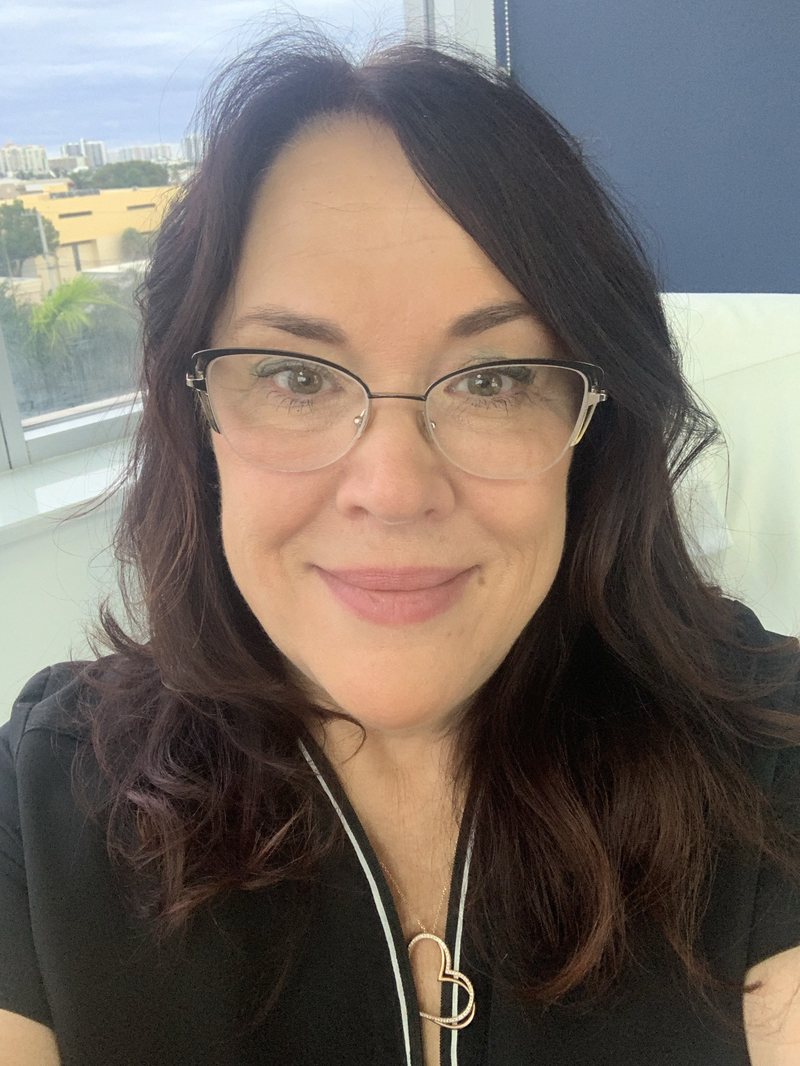
Susan Mitchell, AP
Clinical Director · 30+ years
There’s no fixed number of visits and no generic timeline. Your treatment frequency, therapy mix, and program length are set at your evaluation and adjusted at every visit based on how you’re actually responding.
How long you’ve had it and how far it’s progressed sets your starting intensity.
Visit frequency steps up or down based on your measured progress at each visit, not a preset week count.
Symptom relief, or a return to the things you miss: we define the finish line with you, not for you.
Candidacy comes first: the evaluation determines whether the program fits your case; cost is discussed in person after that.
Bring your rheumatologist’s current treatment plan and which joints bother you most. We evaluate your case, including whether you’re not a candidate.
A plan built around your specific joints, flare pattern, and current medication. Progress is measured against your day-one baseline, not guessed, and the plan adjusts as you respond.
The jar lid. The full walk. Mornings that don’t take an hour to loosen up.
A button fastened without a running start.
A jar, a key, a kettle, no strategy required.
Joints that agree with your lab work.
Persistent pain and guarding in one joint changes how you move, straining the joints around it, a stiff wrist changes your grip, a guarded knee changes your gait. Treating the local pain directly, alongside your systemic medication, may help prevent that spread.
Your initial consultation is $45. Tell us your story, and we’ll evaluate your case.
Visit us
3471 North Federal Highway, Suite 500
Fort Lauderdale, FL 33306
Physicians
Physicians across Broward County refer patients here; a phone call is all it takes.
Book your first visit
We’ll confirm by call or text, usually the same day.
No referral required · We coordinate with your physician.